


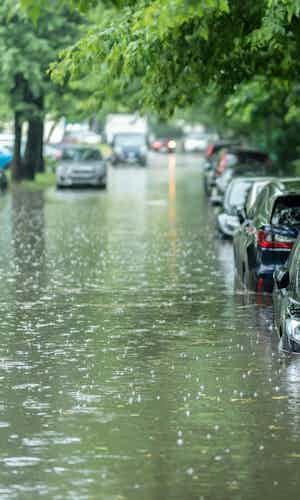
Australia is a land of extremes. Natural disasters such as floods, droughts, bushfires, tropical cyclones, and severe storms are common. The damage resulting from these events can be devastating for communities and leave employees and business owners financially and mentally distressed.
Here’s some helpful tips on ways you can manage this most challenging time and get your business back up and running.
Standing down employees
Under the Fair Work Act you can stand you down employees without pay if you cannot reasonably be held responsible for the situation where work is unable continue. This could be due to a fire, rising flood waters, severe weather warning, or an earthquake. You should also review the applicable modern award to ensure you’re complaint with any stand down provisions. You cannot, however, stand down employees without pay because of a downturn in business or a lack of customers.
Although you’re not required to pay employees for the period of a stand down, you can continue to pay them if you wish.
Natural disasters can create uncertainty around employee pay, stand downs, leave entitlements and workplace obligations. Understanding the options available before making decisions can help businesses respond more effectively during an emergency. Access to expert HR advisors can assist when navigating these situations.
The alternatives to standing down employees
Before standing down an employee, consider other options. These may include asking employees to take accrued paid annual leave or a portion of long service leave if their award or agreement allows. Some employees may be able to work from home or remotely.
Employees may potentially be eligible to take carers leave. No annual leave left? No problem! Some awards permit taking annual leave in advance.
Financial support
Following a natural disaster your business may be eligible for a natural disaster relief payment. These are usually one-off payments designed to financially support your business until it can re-open. These payments are usually by federal or state government.
To simplify applying for financial assistance, visit the Australian Business Register (ABR) to ensure your ABN details and physical business address are correct. This is used by Government agencies to check your eligibility for financial assistance, grants or support during emergencies.
Business-critical information and data including business registration records, financial records, property deeds and customer data are irreplaceable. That’s why it’s vital to ensure your most important data and records are backed up and stored securely offsite or in the cloud where they can be easily accessed when needed.