
















What is Crystalline Silica?
Found in most rocks, sand, and clay, crystalline silica is a naturally occurring mineral. In its stable solid form, crystalline silica is not harmful.
Manufactured materials such as bricks, tiles, fibre cement sheets, and cement contain silica. When undertaking construction works that require excavation or tunnelling through quartz containing rocks such as shale and sandstone, workers can come across crystalline silica.
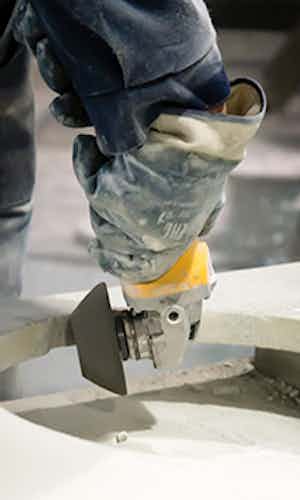
It's when very fine dust particles of crystalline silica are inhaled that present a hazard. Airborne dust is most likely to occur when materials or products containing silica are cut, sanded, drilled or worked on in a way that creates fine dust. Exposure to RCS dust can have serious health effects depending how much dust a worker breathes in and for how long. These health effects can include:
- Silicosis – a scarring of the lung which can result in a severe shortness of breath and is not reversible. Severe cases can result in complications leading to death
- Lung cancer
- Kidney disease.
Implementing stringent risk controls such as minimising the generation of airborne silica dust can reduce hazardous exposures and prevent illness in the workplace.
What are the regulations?
Victoria has strict Occupational Health & Safety (OHS) Regulations related to Crystalline Silica. The regulations were developed to provide greater protection to Victorian employees working with respirable crystalline silica.
The regulations implemented changes including:
- The introduction of Australia’s first licensing regime for engineered stone, including increased manufacturer and supplier duties.
- Victoria’s permanent prohibition on uncontrolled dry-cutting of engineered stone.
- Additional regulatory oversight of high-risk crystalline silica work outside of engineered stone across all industries, including the construction and earth resources industries.
Licence required for crystalline silica in Victoria
Since 15 November 2022, all businesses that process engineered stone products must be licensed to undertake such work and must have developed a formal control plan. In addition, suppliers cannot supply engineered stone to businesses who require a licence but do not have one. They must also keep detailed records of their supply.
The ban on uncontrolled dry cutting of silica containing products also became permanently applicable on this date. Employers have an obligation to ensure that all high risk silica work at their place of work has been assessed and effective control measures implemented.